What is Daily Use Plastic Products?
Daily use plastic products encompass a wide range of items manufactured from various forms of synthetic polymers, primarily intended for everyday household, personal care, or office applications. These ubiquitous products include items such as food storage containers, disposable cutlery, trash bags, cleaning tools, shower curtains, toothbrushes, and stationery supplies. Characterized by their lightweight nature, durability, versatility, and cost-effectiveness, daily use plastic products have become integral components of modern living, offering convenience and functionality across numerous aspects of daily routines.
Advantages of Daily Use Plastic Products
Versatility
Versatility is one of the key advantages of plastic manufacturing. Plastics can be molded into a wide range of shapes, sizes, and forms, making them highly versatile and adaptable to a variety of applications. This means that plastics can be used in a wide range of industries, including packaging, transportation, construction, electronics, and healthcare, among others.
Durability
Durability is another key advantage of plastic manufacturing. Plastics are strong and durable, which makes them suitable for use in long-term applications in many different industries. Unlike some other materials, such as paper or cardboard, plastics can withstand wear and tear and do not degrade as quickly over time.
Lightweight
Another advantage of plastic manufacturing is that plastics are lightweight. Plastics have a low density, which means that they are much lighter than many other materials, such as metal or glass. This makes them ideal for use in applications where weight is a concern, such as packaging, transportation, and electronics.
Cost-effective
Cost-effectiveness is another advantage of plastic manufacturing. Plastics are relatively inexpensive to produce and can be mass-produced at a large scale, which makes them a cost-effective choice for many industries.






Why Choose Us
Our Product
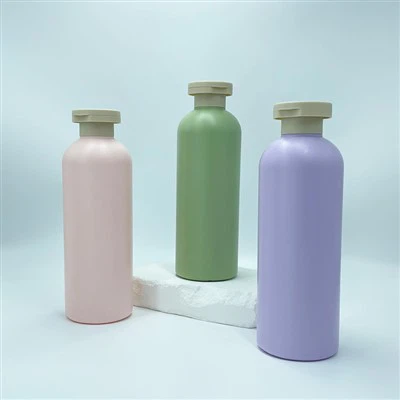
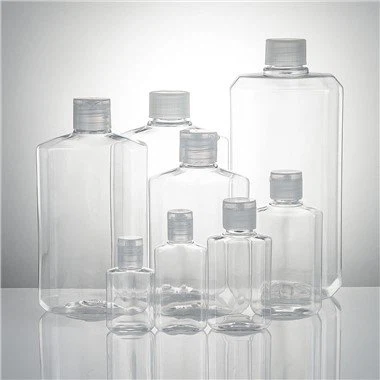
We are a company specializing in the production of all kinds of plastic products, with a wide range of products, involved in health care category, cosmetics, medical supplies, daily necessities, chemical industry, metal and other major categories.
Our Factory
Our company has always been "quality first, customer first, openness basing on sincerity, considerate service" for the purpose of establishing long-term strategic partnership with customers. We can send free samples to customers for testing, but also can produce products according to customers' design drawings or samples, and strictly control the quality of products in every production link.
Our Service
We direct to the consumer, no intermediary sellers, to provide customers with simple, direct and effective supply. We can give every customer the perfect quality, good price and simple and fast transportation, we always take the customer as their own responsibility, to provide customers with better, more assured products.
Our Certifications
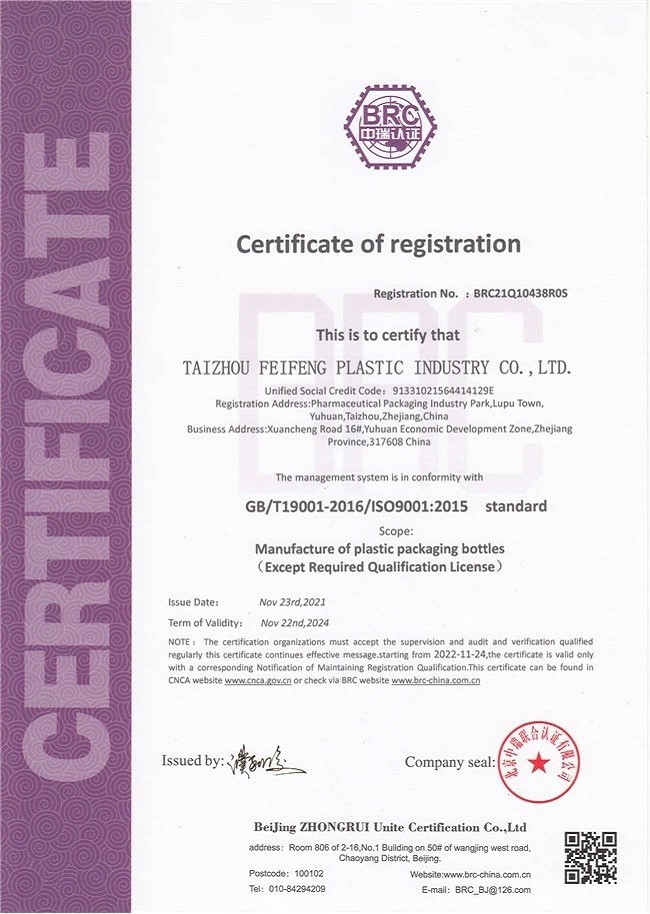
Our company has iso9001, food plastic packaging production license, other certificates are in the process of application, to give you a safe and assured product, welcome to consult and understand.
Polyethylene Terephthalate (pet)
Polyethylene terephthalate, or pet, is the primary resource in a variety of different surfaces. As such, you’re very likely to have some direct contact with it as you go about your daily routine. Due to its customizable formula, pet can have either a rigid or flexible makeup. It’s also incredibly resistant to most weather conditions and abrasive chemical compounds. Because of this, it’s a very effective ingredient in soft drink bottles, water bottles, packaging trays, and fleece. Polyester fabrics contain some pet as well, making pet a vital part of the clothing and fashion industry.
High-density Polyethylene (hdpe)
Classified as the most common plastic in the world, polyethylene has an even broader range of uses in the modern world. In fact, this material is so diverse that it takes on other subcategories labeled high-density and low-density to better classify their differences. High-density polyethylene is very strong and resistant to large quantities of moisture and corrosive chemicals. It has very little give, yet it can bounce back effectively from minor blunt impact. Because of its ability to avoid breaking down, it’s also frequently used in food containers. However, some of its more demanding applications are in the form of building materials like park benches and pipes. As such, hdpe plays an important role in many current construction builds and infrastructure endeavors.
Low-density Polyethylene (ldpe)
On the other hand, while low-density polyethylene (ldpe) contains many of the base properties of hdpe, it is significantly weaker. Due to the extra space between its molecules, this compound doesn’t have the same amount of temperature protection. It also isn’t as strong and can break with less force than its counterpart. But there are a series of applications that don’t require this heightened strength. As such, ldpe is, believe it or not, more commonly used for basic products than hdpe. It is often used in trays, food containers, work surfaces, machine components, protective cases, and laundry bags.
Polyvinyl Chloride (pvc)
Polyvinyl chloride is a very hard, rigid plastic that’s known for its high amount of strength and general resilience to the environment. Most signs of weathering don’t apply to this material, and even chemicals have little effect on it. For this reason, pvc is one of the most important resources for highly demanding industrial tasks. This includes the processing of heavy materials and food, as well as uses in building construction resources and conveyor belting.
Polypropylene (pp)
Another of the most common types of plastic to make note of it polypropylene, or pp. Very hard, strong, and flexible, this plastic is the number one option for use in injection molding processes. Though pp has a very high resistance to temperature, injection molding can melt it with ease and fit it into whatever form necessary. It’s also considered safe to use around food as it won’t leech chemicals or toxins into organic matter. For this reason, pp has a diverse series of uses that make it beneficial for many industries.
Polystyrene (ps)
Would you believe that the packing material known as styrofoam is also a type of plastic material? It is, and its official name is polystyrene. Ps is very rigid and flexible, allowing it to take any custom shape without the risk of breaking. It’s lost-cost, lightweight, and versatile, making it highly desirable for businesses looking to save a bit of money on packaging. Though ps isn’t very strong, it makes great containers for lighter items, such as food or produce. It also has a widely-known application as packaging material in shipment containers. Depending on the scale of the build, polystyrene can even find use as insulation material.
Polycarbonate (pc)
For engineering purposes, there are few options better than polycarbonate. One of the strongest plastics available, it’s shatterproof and impact-resistant—even more-so than acrylic. Despite its strength, pc is still very flexible. It’s available in sheet form or cut and molded on-site as needed. Polycarbonate makes a superior material for any high-density builds. This includes greenhouse walls, dvds, sunglasses, and heavy-duty police gear. Hockey rink barriers are also often made from pc, as these areas typically require high-impact protection for the safety of observers.
Surprising Everyday Things That Contain Plastic

Clothes: 60% of our clothes contain synthetic fibres such as polyester, acrylic or nylon – forms of plastic. Even cotton items can hide plastic – anything labelled “wrinkle-resistant” likely has a plastic coating. Shedding during washing and wear, and at the end of their life contributes to microplastic pollution.
Tea Bags: Tea bags look like simple paper pouches. Unfortunately, many of them contain a type of plastic called polypropylene. It is used to heat-seal the edges and keeps them from falling apart. Others are made entirely from plant plastic – which contains all the same additives and chemicals as regular plastic.
Nail Polish: Plastic gives nail polish its strength and staying power. Two key ingredients are resin, a type of plastic that forms a hard, protective layer, and plasticisers, which keep the polish flexible and prevent chipping.
Chewing Gum: The satisfying chew is thanks to its “gum base”. This usually contains synthetic elastomers like polyvinyl acetate, the same plastic found in glue.
Tampons(and Pads): The absorbent core of a menstrual pad uses superabsorbent polymers, similar to those in diapers, and the leak-proof backing is plastic film. Even “cotton” top sheets usually contain synthetic fibres. Tampon applicators are typically plastic.
Car Tyres: Modern car tyres are around 1/4 synthetic rubber, a petroleum-based plastic. As the tyres wear down, they release microplastics into the environment – they are likely the biggest source of plastic pollution in the ocean.
Toothpaste: Manufacturers often use tiny plastic beads for exfoliation, and plastics are added as thickeners. Most toothpaste tubes are non-recyclable plastic, too.
Sponges: Sponges were traditionally made from cellulose. But now, most kitchen and bathroom sponges contain plastic for durability and absorbency.
The Wide Application Of Plastic Products In Daily Life
Plastic products are light, strong, durable and easy to process materials, so they are widely used in daily life. First of all, in family life, people often use plastic products such as plastic cups, bowls, chopsticks, etc. These products are not only convenient to clean, but also avoid the risk of fragmentation. In addition, plastic products are also commonly used in food packaging, such as plastic bags, plastic bottles, etc., which can effectively maintain the freshness and hygiene of food and extend the shelf life of food.
In the office, plastic products also play an important role. The common file storage boxes and folders on the desk are plastic products. They are light and easy to organize files, making work more efficient. In addition, plastic products are also widely used in furniture manufacturing, such as chairs, tables, etc., and their strong and durable properties make furniture have a longer service life.
In addition, plastic products also play a role in various fields such as medical field, construction field, automobile manufacturing and so on. Medical plastic products such as infusion bottles and syringes play an important role in the medical process; plastic products such as plastic pipes and window frames in the construction field improve the quality and durability of building materials; plastic products such as body parts and interior parts in automobile manufacturing reduce the weight of vehicles and save energy.
Plastic products have played an indispensable role in various fields. Its light, durable, and easy-to-process characteristics make it one of the indispensable materials in daily life.
Production Method Of Daily Use Plastic Products
The production of daily use plastic products generally includes the compounding, molding, machining, joining, modification and assembly of plastics. The last four processes are carried out after the plastic has been formed into a finished product or semi-finished product, also known as secondary plastic processing.
The molding of daily use plastic products is the key link of plastic processing. Various forms of plastics (powder, pellets, solutions or dispersions) are made into products or blanks of desired shapes. There are as many as thirty kinds of molding methods. Its choice is mainly determined by the type of plastic (thermoplastic or thermoset), the initial form, and the shape and size of the product. The commonly used methods of plastic processing thermoplastics include extrusion, injection molding, calendering, blow molding and thermoforming, etc. Plastic processing thermosetting plastics generally adopts molding, transfer molding, and injection molding. Lamination, molding and thermoforming are the shaping of plastics on a flat surface. The above plastic processing methods can be used for rubber processing. In addition, there are castings using liquid monomers or polymers as raw materials. Among these methods, extrusion and injection molding are the most used and the most basic molding methods.
Mechanical processing of daily use plastic products production borrowing plastic processing methods such as metal and wood to manufacture plastic products with very precise dimensions or small quantities, and can also be used as an auxiliary process for forming, such as sawing of extruded profiles. Because the performance of plastic is different from that of metal and wood, plastic has poor thermal conductivity, low thermal expansion coefficient and elastic modulus. When the fixture or tool is pressurized too much, it is easy to cause deformation, and it is easy to melt when cutting, and it is easy to adhere to the tool. Superior. Therefore, when plastic is machined, the tools used and the corresponding cutting speed must be adapted to the characteristics of the plastic. Commonly used machining methods include sawing, shearing, punching, turning, planing, drilling, grinding, polishing, threading, etc. In addition, plastics can also be laser cut, punched and welded.
Joining in the production of daily use plastic products the methods of joining plastic parts in plastic processing include welding and bonding. The welding methods are hot air welding using an electrode, hot melt welding using a hot electrode, and high frequency welding, friction welding, induction welding, ultrasonic welding, and the like. The bonding method can be divided into flux, resin solution and hot melt adhesive bonding according to the adhesive used.
The purpose of surface modification in the production of plastic products is to beautify the surface of plastic products, which usually includes: Mechanical modification, that is, the use of filing, grinding, polishing and other processes to remove burrs, burrs, and size correction; the surface of the workpiece is brightened with a solvent, and the surface of the product is covered with a patterned film; color application, including color painting, printing and hot stamping; metal plating, including vacuum coating, electroplating and chemical silver plating, etc. Plastic processing hot stamping is to transfer the colored aluminum foil layer (or other patterned film layer) on the hot stamping film to the product under heat and pressure. Many household appliances, building products, daily necessities, etc., use this method to obtain patterns such as metallic luster or wood grain.
Assembly of daily use plastic productsthe operation of assembling finished plastic parts into complete products by methods such as bonding, welding and mechanical connection. For example: Plastic profiles, which are assembled into plastic window frames and plastic doors after sawing, welding, drilling and other steps.
Certifications